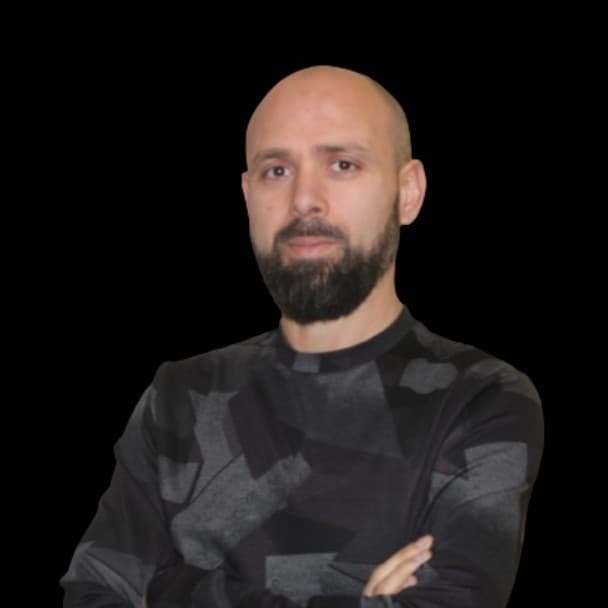
Gynecologist, Founder of Cynalys & CEO of doctoGyn
MD in Obstetrics & Gynecology
View LinkedIn ProfileI've been a practicing gynecologist since 2012.
My first years were spent in maternity hospitals in Tunisia. Long before I thought about building software, I was living the daily reality of OB/GYN practice in under-resourced settings — managing high patient volumes, tracking complex pregnancies across paper files, and trying to maintain continuity of care with records that were perpetually incomplete, misplaced, or simply unreadable.
The administrative burden wasn't just frustrating. In obstetrics and gynecology, where continuity of care directly impacts outcomes, a lost file or a missed follow-up is never just an inconvenience.
In 2017, I opened my own private gynecology practice. I was determined to go fully digital from day one — no paper records, no more searching through folders during consultations.
What I found when I started looking for a solution was discouraging.
Every EMR I evaluated had been built with the same blind spots:
I didn't need a hospital information system. I needed something built around how a gynecologist actually works.
With a longstanding passion for technology alongside medicine, I decided to build what I couldn't find.
I developed a prototype — functional, practical, built around my own clinical workflow. I used it daily in my practice for years. It handled my consultations, my patient records, my pregnancy follow-ups. It was never meant to be a product. It was a tool I built for myself.
Then colleagues started asking to use it.
What became clear quickly was that a general solution — even a good one — wouldn't be enough for gynecologists. The specialty has needs that don't fit a one-size-fits-all approach:
These aren't features you add to a general medical app. They require a product designed around the specialty from the ground up.
In 2021, I founded Cynalys — a digital health company — to build what the market was missing: medical office software designed for the real world, not just for Western markets and large institutions.
The first product was Doctolys — an AI-powered medical office app for any doctor, anywhere in the world. Mobile-first, self-onboarding, no training required.
But as Doctolys grew, my clinical experience kept pointing to the same gap: gynecologists need more than a great general app. They need a platform that understands their specialty.
doctoGyn was built to fill that gap.
It carries the same core philosophy as Doctolys — mobile-first, AI-powered, self-onboarding, no country lock-in — but is built entirely around the workflows of gynecology, obstetrics, midwifery, and reproductive medicine.
Every feature in doctoGyn exists because a gynecologist needed it in a real clinical context:
Pregnancy follow-up — structured visit timelines from first trimester through delivery, with automatic alerts for missed appointments and overdue screenings.
Fertility management — cycle tracking, documentation of stimulation protocols, and outcome recording across IVF and IUI cycles.
Ultrasound integration — direct embedding of ultrasound images and measurements into patient records, eliminating the paper printout workflow entirely.
Specialty examination templates — pre-built forms for gynecological consultations, adapted to the specific documentation needs of the specialty.
Maternity records — complete delivery and postpartum documentation, accessible from a smartphone in the delivery room.
Everything I publish comes from direct clinical experience — not from product marketing.
I write for the gynecologist who is spending more time on documentation than on patients. For the specialist in Tunisia, Morocco, Lebanon, or Senegal who has been told that the best tools aren't available in their market. For the obstetrician managing 30 patients a day who still hasn't found a mobile solution that understands pregnancy follow-up.
I've been that doctor. I built doctoGyn because I had no other choice.
Dr. Sadok Derouich is a practicing gynecologist since 2012, founder of Cynalys, and CEO of doctoGyn and Doctolys.